Can a locksmith repair a commercial door that will not latch?
Understanding the latch problem
A commercial door that won't latch is more than an annoyance. It can mean a security gap, an energy leak, or a fire safety violation. The good news is that many of these problems can be diagnosed and fixed without replacing the whole door. A qualified professional can address most latch issues on site, often in a single visit.
The latch mechanism is the part of the lock that extends into the strike plate on the door frame. When it fails to engage, the door either stays slightly open or swings freely. The cause might be mechanical wear, misalignment, or a fault in the surrounding hardware. A locksmith who works with commercial door hardware regularly will know where to look first.
What stops a door from latching?
A latch failure usually traces to one of a handful of common issues. Understanding them helps you describe the problem accurately when you call for service.
Misaligned strike plate
The strike plate is the metal piece on the door frame that receives the latch. Over time, a building can settle, hinges can wear, or a door can sag. When the strike plate moves even a few millimetres out of line, the latch no longer lines up with the hole. The door may close but bounce back, or it may not close fully at all. Adjusting the strike plate position often solves this quickly.
Worn or damaged latch bolt
The latch bolt itself can wear down. Repeated use, corrosion, or a hard impact can round off the angled face that helps it slide into the strike plate. If the bolt is damaged, it may not retract fully or may catch on the edge of the strike plate. In some cases, the bolt simply sticks in the retracted position and never extends to latch.
Faulty door closer
Many commercial doors have a door closer mounted at the top. This hydraulic or pneumatic device controls how the door closes. If the closer is misadjusted, the door may close too fast or too slow. A door that slams shut can bounce the latch right back out. A door that closes too slowly may not have enough momentum to engage the latch. Adjusting the closer's speed and sweep settings can restore normal operation.
Issues with the exit device or panic bar
On doors with an exit device (often called a panic bar), the latch is linked to the bar mechanism. If the bar is misaligned, the linkage can bind, preventing the latch from extending. Dirt, paint, or debris inside the device can also cause sticking. A thorough cleaning and minor adjustment by someone familiar with commercial cylinder and exit device systems usually clears the problem.
Binding hinges or sagging door
Hinges that are loose, bent, or missing screws can cause the whole door to sag. When the door hangs unevenly, the latch and strike plate no longer meet. Tightening or replacing hinge screws, or adding a shim behind a hinge leaf, can bring the door back into alignment. This is a common fix that does not involve the lock itself, but it still falls under the scope of a locksmith who handles commercial door hardware.
What a locksmith will check first
A service call for a door that will not latch usually starts with a visual inspection. The locksmith looks at the gap between the door and the frame, checks the hinge condition, and tests the latch movement with the door open. They may spray a dry lubricant into the lock body to free up a sticky mechanism. Next, they examine the strike plate position and the alignment of the door closer if one is present.
Many times, the fix is a simple adjustment. The strike plate can be filed slightly to enlarge the opening, or it can be moved and the screw holes redrilled. A door closer can be adjusted with a hex key in under a minute. A sticking exit device might need a worn spring replaced or a linkage rod bent back into shape.
For more complex issues, such as a broken latch spring inside the lock case or a damaged mortise lock, the locksmith may need to disassemble the lock. Replacement parts for common commercial hardware are usually stocked, so the repair can be done during the same visit. In rare cases, a lock may be obsolete, and the locksmith can recommend a compatible replacement that works with the existing access control or master key system.
When the problem is more than the latch
Sometimes a door that won't latch points to a deeper issue with the building itself. A shifting foundation, swollen door frame from moisture, or a floor that has heaved can throw the whole doorway out of square. In these situations, the latch is only a symptom. A locksmith can identify the root cause and advise you on next steps, which may involve a carpenter, a general contractor, or a door installer.
For properties with high tenant turnover, latch problems can appear frequently as doors get banged by moving furniture or abused by careless use. Regular inspection of the commercial door hardware helps catch wear before it leads to a lockout or a security breach. A simple check every few months of the strike plate screws, hinge pins, and door closer can save the cost of an emergency call later.
Can you adjust it yourself?
Some adjustments are straightforward. Tightening hinge screws with a screwdriver, cleaning dirt off the latch bolt with a rag, or spraying a silicone lubricant into the keyway are tasks that most people can do safely. But if the door still will not latch after these steps, it is time to call a professional. Trying to force the door shut can damage the lock or the frame, leading to a more expensive repair.
The key thing to remember is that commercial door hardware is built to stricter standards than residential locks. It often involves interconnected parts, electric strikes, or magnetic locks tied to an access control system. Tinkering with these without the right knowledge can disable the entire security setup. A trained locksmith understands how each component interacts. They can restore function without compromising safety or security.
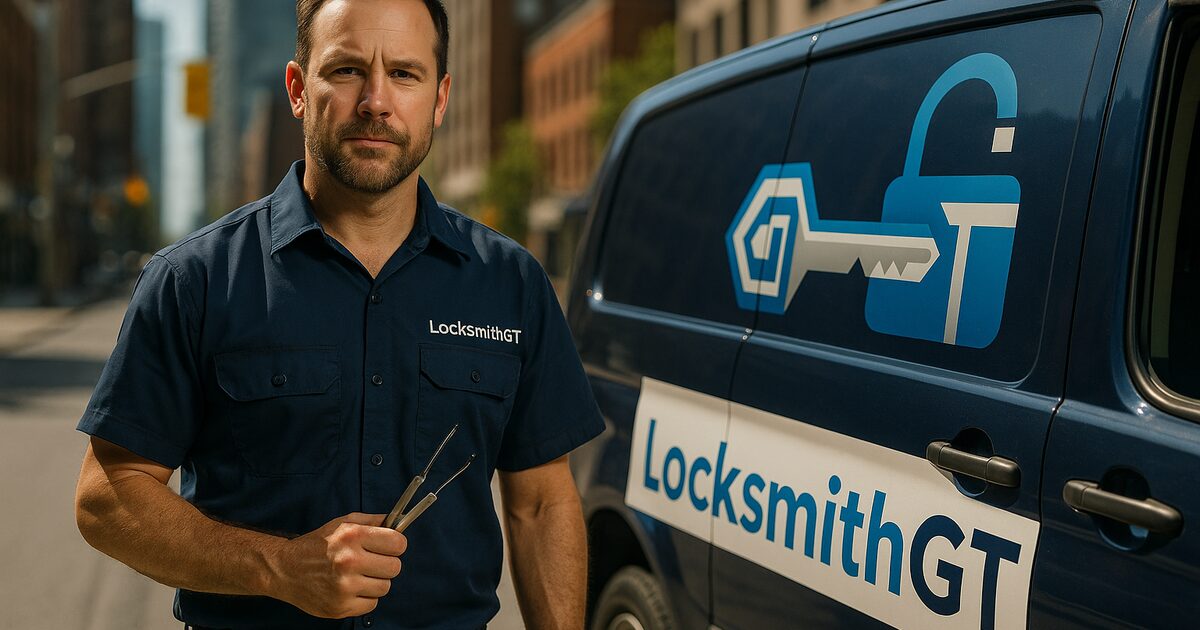
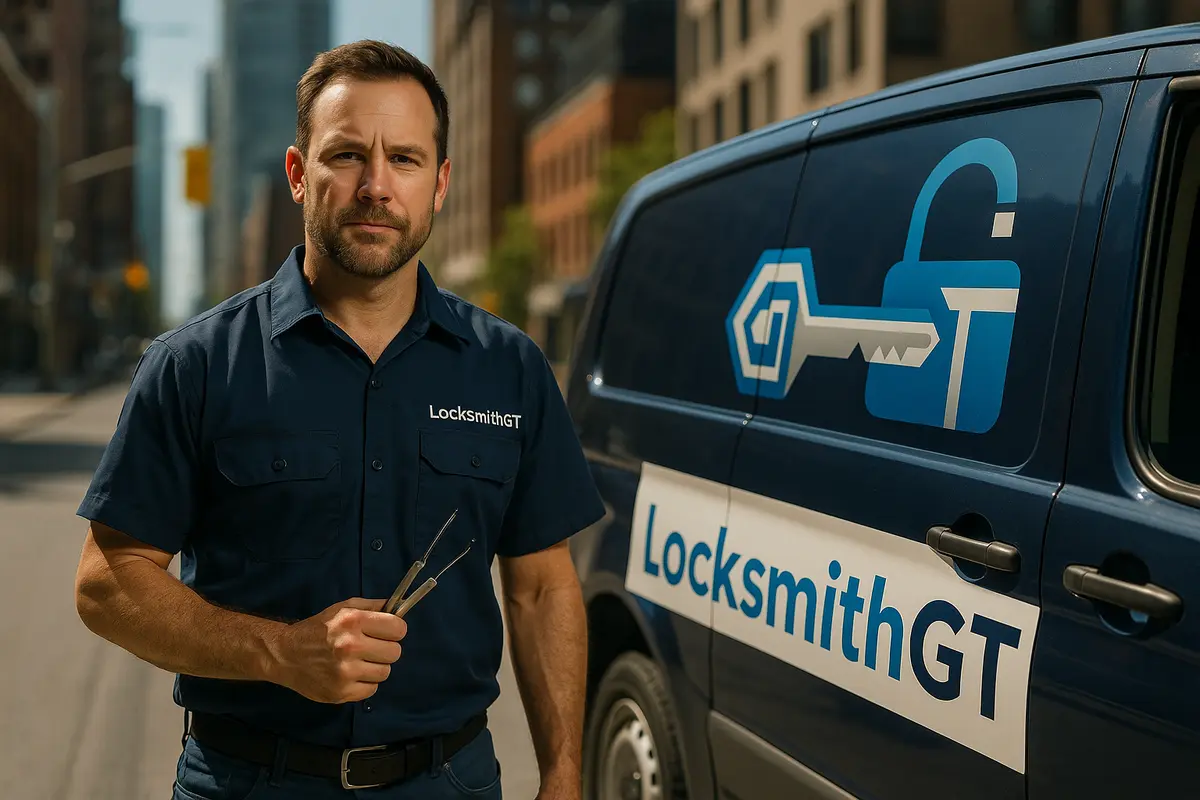
For businesses in Toronto that need a reliable fix for a commercial door that will not latch, LocksmithGT provides 24/7 mobile locksmith services for home, vehicle and business lockouts, lock changes, rekeying and key work. Their technicians carry the tools and parts to handle most latch repairs on the first call, whether it is a simple strike plate adjustment or a more involved repair on a restricted key system.
Preventing future latch problems
Once the door is working again, a few habits can keep it that way. Avoid slamming the door, as the impact can knock the strike plate out of alignment over time. Keep the latch bolt clean and lubricated with a graphite or silicone spray every six months. Check the door closer adjustment seasonally; temperature changes affect hydraulic fluid viscosity and can change closing speed.

If your building uses a master key system, make sure replacement locks are keyed to the same system. Mismatched cylinders can cause the latch to bind because the plug does not turn smoothly. A locksmith who specialises in commercial cylinder work can rekey or replace cylinders so that they match the existing master key without affecting the latch operation.
Finally, pay attention to how the door sounds when it closes. A healthy latch makes a clean click. A grinding or scraping noise means something is rubbing. Catching that early can prevent a full failure. LocksmithGT can inspect your commercial door hardware during a routine visit and spot wear before it becomes a problem.
A commercial door that will not latch is not a catastrophe, but it does need prompt attention. The fix is usually straightforward, and a locksmith can handle it efficiently. The time you save by calling early is the time you do not spend propping the door shut or worrying about who might walk in.